Product Description
Polyurethane Liners
|
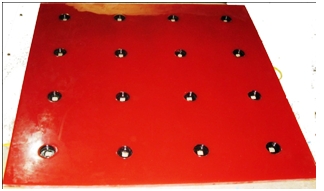
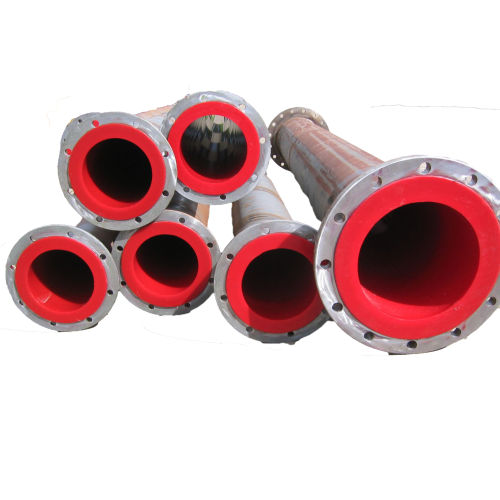
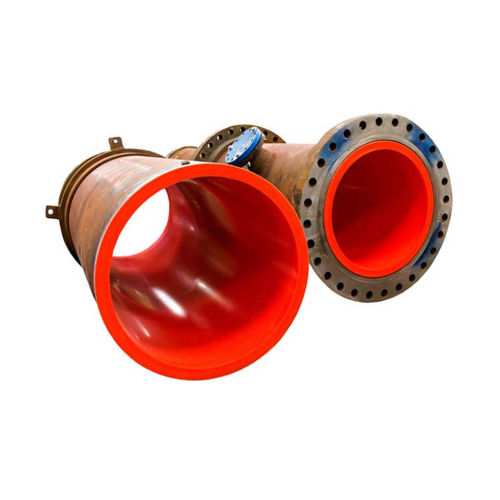
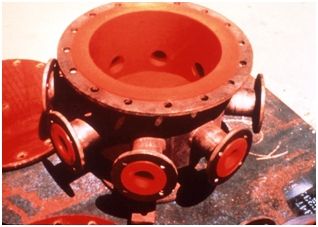
| OUTSTANDING FEATURES: High Abrasion Resistance Suitability to Different Finishing Media. guaranteed bonding with metal surface. custom-made shapes such as spiral,radial and corrugated surface profiles. available in different shore hardness as per customers requirements. preferred by leading indian OEMs of finishing equipments. Sheet steel vulcanized with abrasion resistance polyurethane. TYPICAL APPLICATIONS: Vibrofinishing Bowls, Barrels & Drums Centrifugal Finishing Machine. Ball Mills linings. Pipe Linings Chute Linings & hopper linings. pump liners & impellers. |
Durable Protection for Demanding EnvironmentsPolyurethane liners are specifically designed to safeguard chutes, hoppers, and equipment in mining, cement, and heavy-material industries. Their high elongation at break, combined with remarkable impact resistance, delivers reliable shield against abrasion, corrosion, and repetitive forcemaking them a long-lasting solution for harsh industrial conditions.
Customizable and Versatile FitOffered in a range of thicknesses (250 mm) and shapes (flat, curved, or custom machined), our liners can be tailored to any application demands. The adjustable length and width, combined with precision molding, allow seamless integration into new or existing systems. Customization ensures optimal material flow and targeted protection exactly where needed.
Fast, Simple Installation and MaintenanceInstalling these liners is straightforward, using either sturdy bolts or industrial adhesives. Their smooth, solid surface finish and thoughtful engineering minimize maintenance requirements and make replacements hassle-free. This ease of handling helps reduce operational downtime and maintain efficient plant performance.
FAQs of Polyurethane Liners:
Q: How are polyurethane liners installed in industrial equipment?
A: Polyurethane liners can be easily installed using bolts or industrial-grade adhesives. The process typically involves cleaning the mounting surface, positioning the linerseither flat, curved, or custom-shaped for the equipmentand securing them in place. This ensures rapid fitting and minimal operational disruption.
Q: What benefits do polyurethane liners offer for the mining, cement, and material handling industries?
A: These liners provide excellent impact resistance, low friction for efficient material flow, and outstanding resistance to water, oils, greases, and many chemicals. They help extend equipment life, reduce maintenance costs, and minimize production downtime in demanding environments.
Q: When should I consider replacing or upgrading to polyurethane liners?
A: Consider upgrading when existing liners show signs of excessive wear, frequent maintenance is required, or operational efficiency drops due to liner failure. Polyurethane liners are ideal for environments needing enhanced impact durability, chemical resistance, and longer service intervals.
Q: Where can these polyurethane liners be applied within industry operations?
A: They are commonly used as chute liners, hopper liners, and for general equipment protection in mining, cement production, and material handling facilities. The customizable shape and size make them suitable for numerous locations requiring abrasion and impact protection.
Q: What is the process for customizing the size and thickness of polyurethane liners?
A: Customers can specify the required dimensions, thickness (250 mm), and shape (flat, curved, or machined). The liners are manufactured using injection or compression molding, ensuring precision and consistency according to the application needs.
Q: What types of chemicals are polyurethane liners resistant to?
A: These liners are resistant to a wide range of oils, greases, and many industrial chemicals, making them suitable for protection against chemical spills and exposure common in heavy industry settings.
Q: How does the low coefficient of friction benefit material handling operations?
A: A low coefficient of friction ensures that bulk materials flow smoothly across surfaces lined with polyurethane, reducing blockages, wear, and energy consumption. This contributes to greater operational efficiency and consistent throughput.





 Send Inquiry

 Send Inquiry
 Send SMS
 Call Me Free
 English
 Spanish
 French
 German
 Italian
 Chinese (Simplified)
 Japanese
 Korean
 Arabic
 Portuguese